
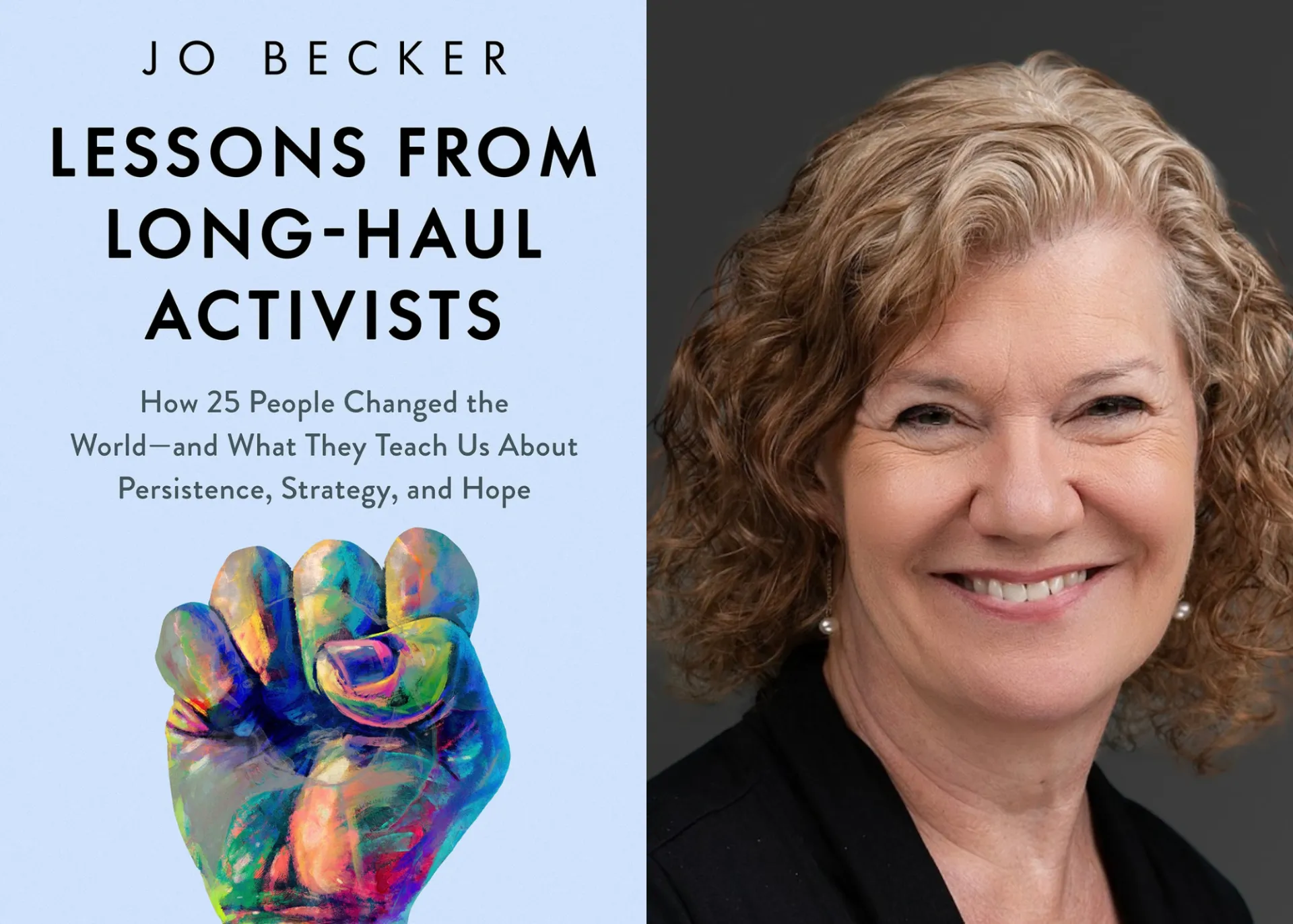
ISHR Professor Jo Becker has published a new book titled “Lessons from Long-Haul Activists: How 25 People Changed the World—and What They Teach Us About Persistence, Strategy, and Hope.”
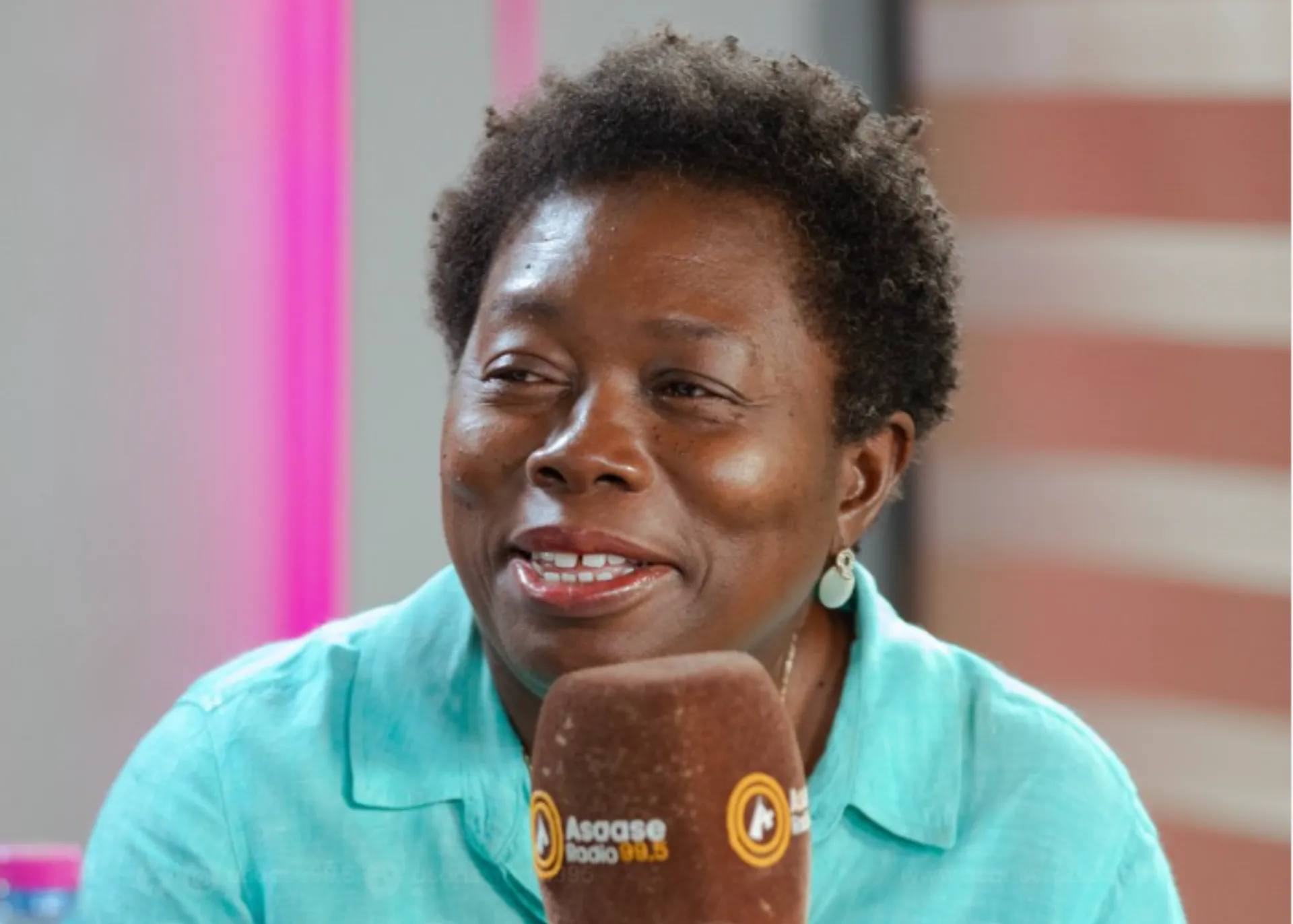
Read 2010 Advocate Susan Aryeetey's reflection on her time at ISHR in the Human Rights Advocate Program (HRAP)
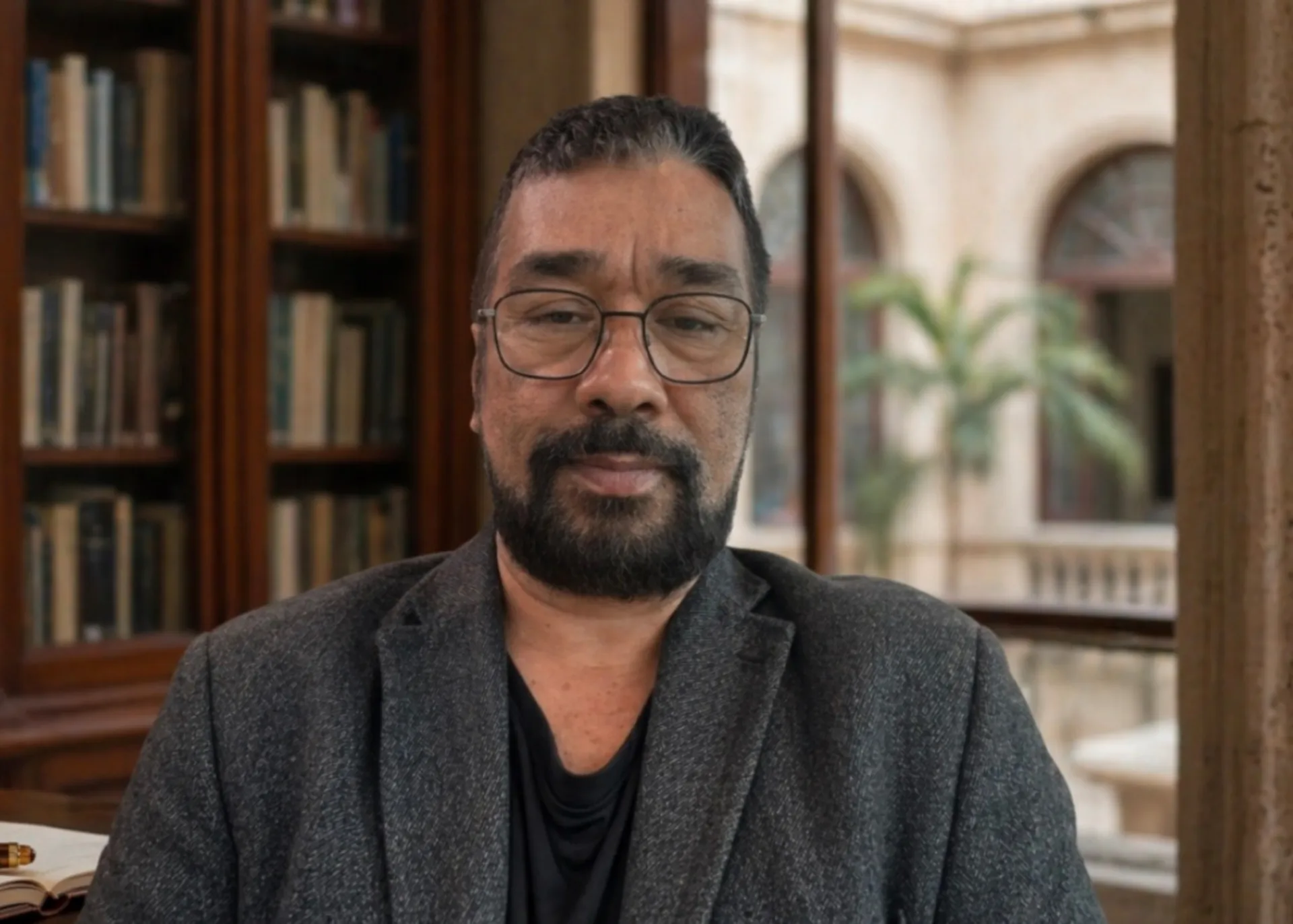
2016 Advocate Carlos Santos, the Salvadoran author, journalist, and former political prisoner, was awarded the 2026 Literary Prize in the category of testimonial literature from the Casa de las Americas for his work "Dr. Muerte: Confessions."
2008 Advocate Peter Gayflor Mulbah reflects on how his time a the Human Rights Advocates Program transformed his understanding of advocacy.
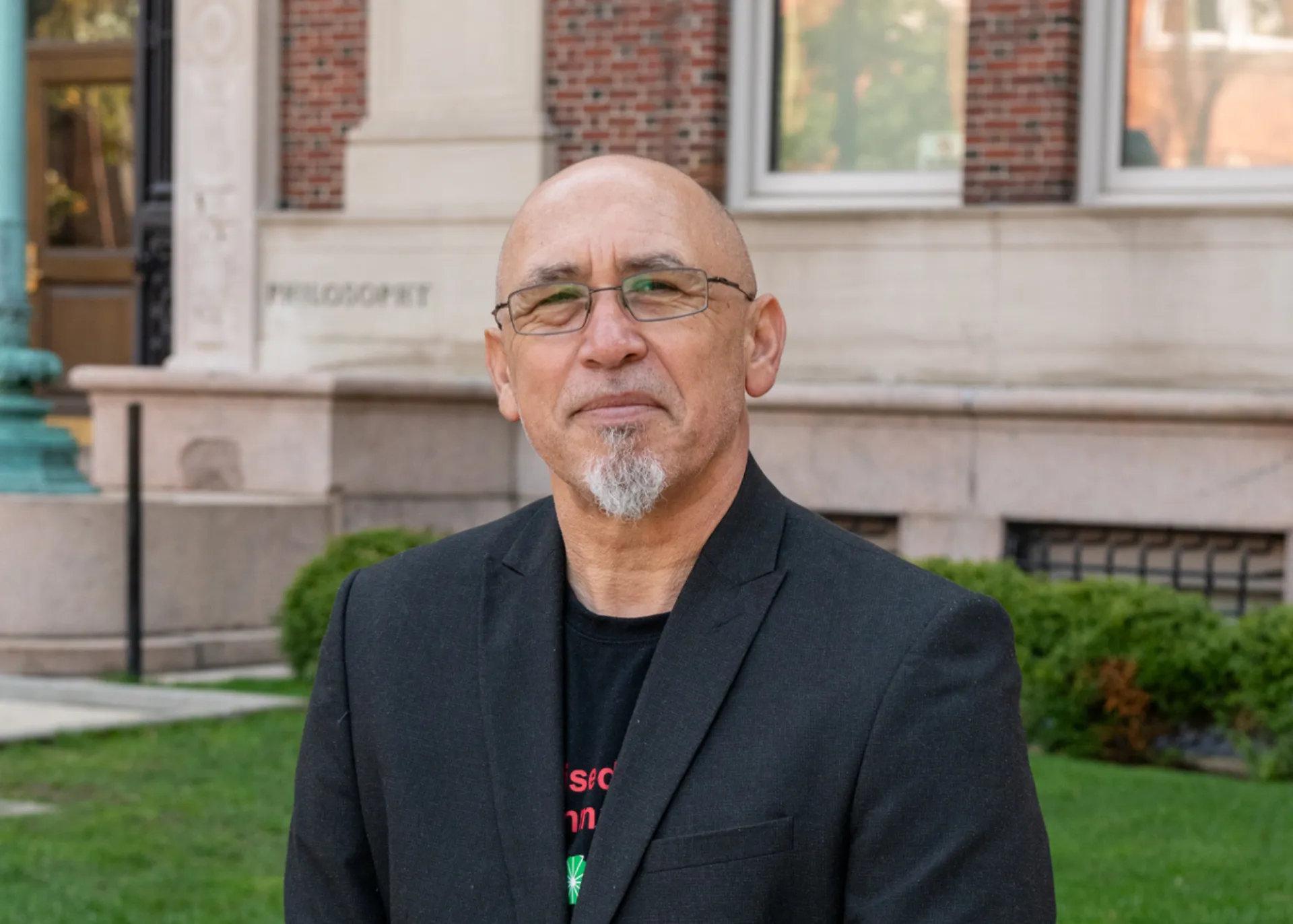
In his latest opinion piece, 2025-26 Advocate Christopher Rutledge examines the long fight for constitutional justice and accountability in South Africa’s mining-affected communities.
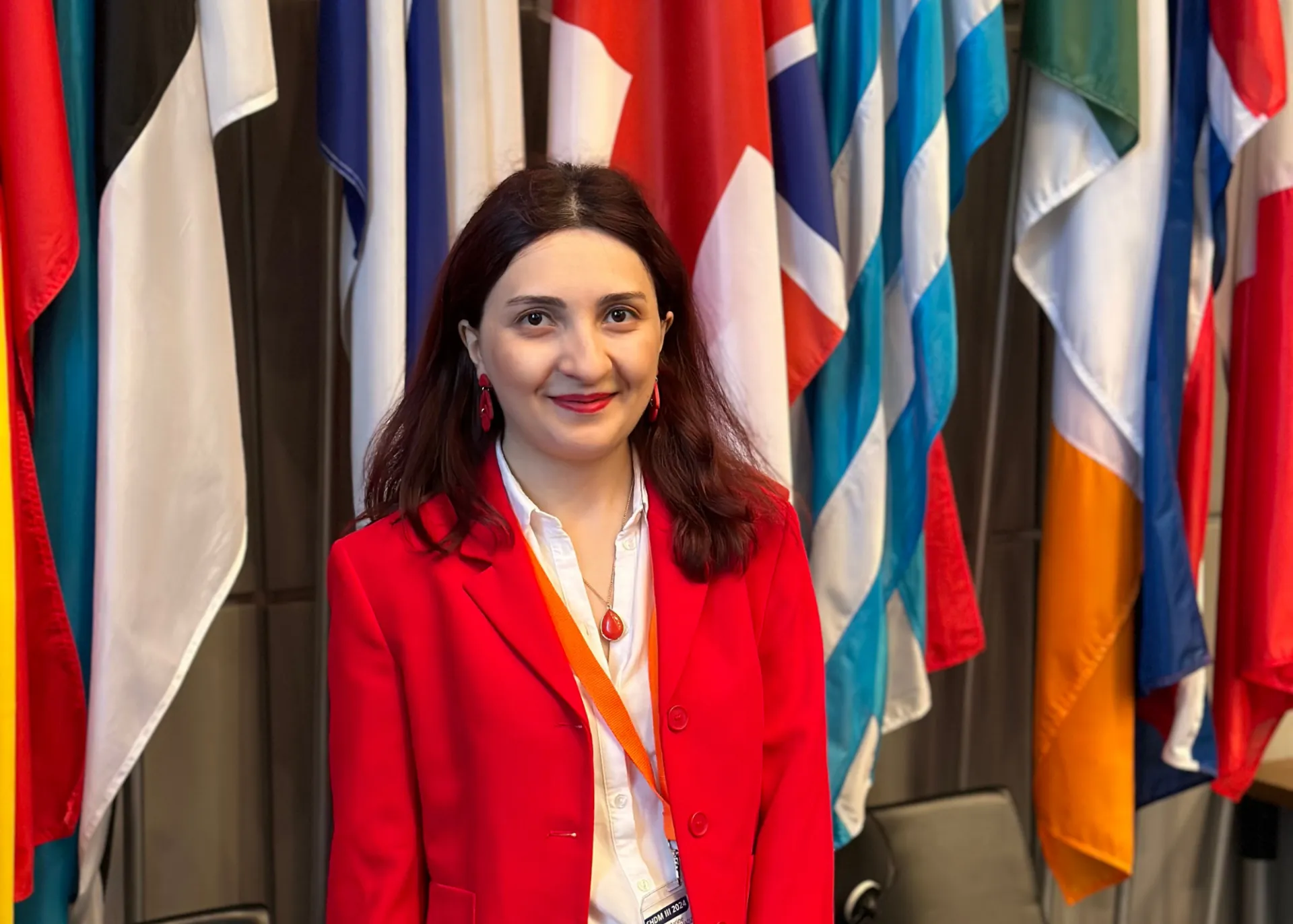
2022-23 Advocate Marine Kapanadze Reflects on her time participating in the Human Rights Advocates Program.
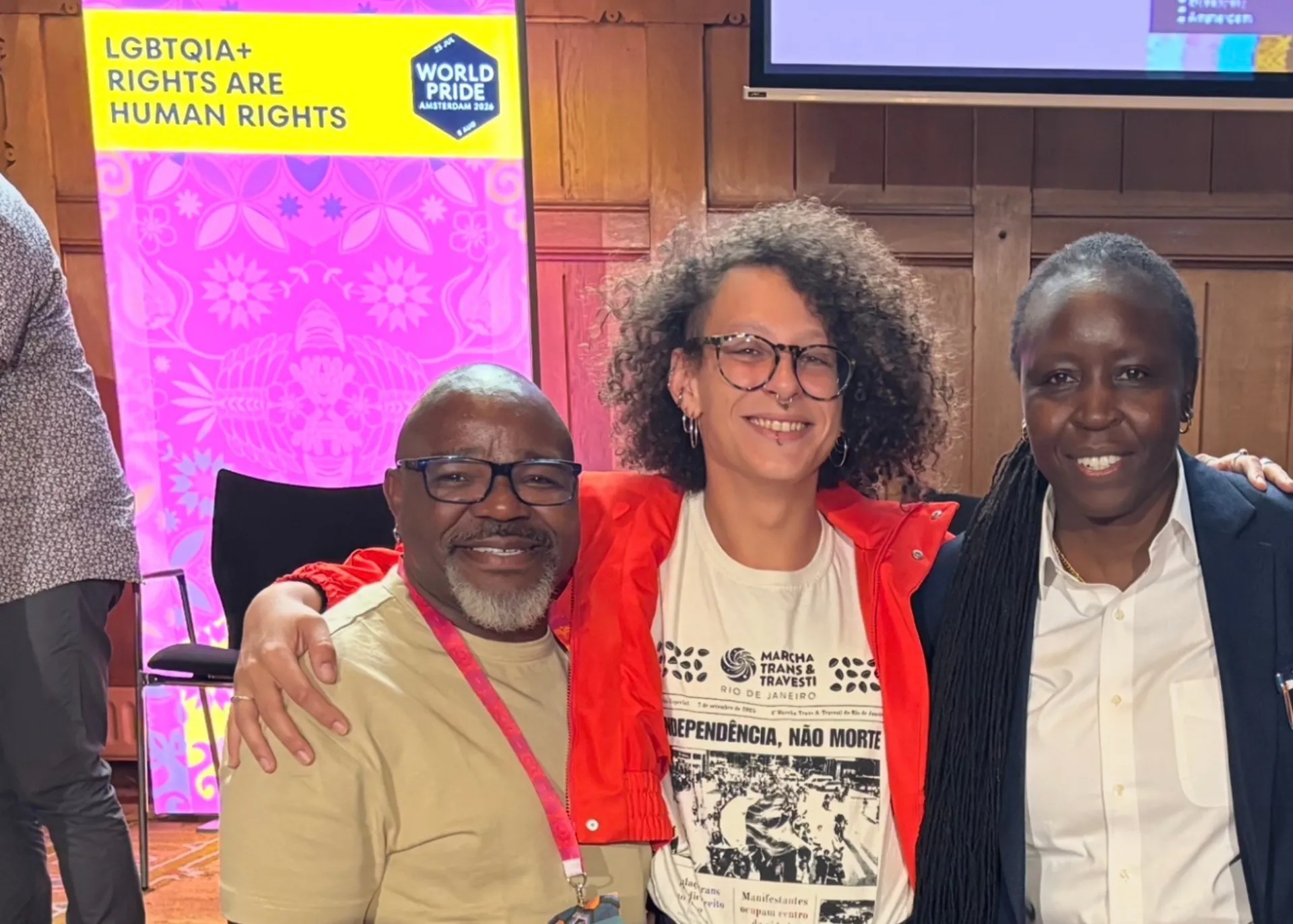
At the WorldPride Human Rights Conference in Amsterdam in early August, incoming HRAP participants and alumni contributed to the rich conversations on the human rights challenges and opportunities facing LGBTQI+ communities around the world.
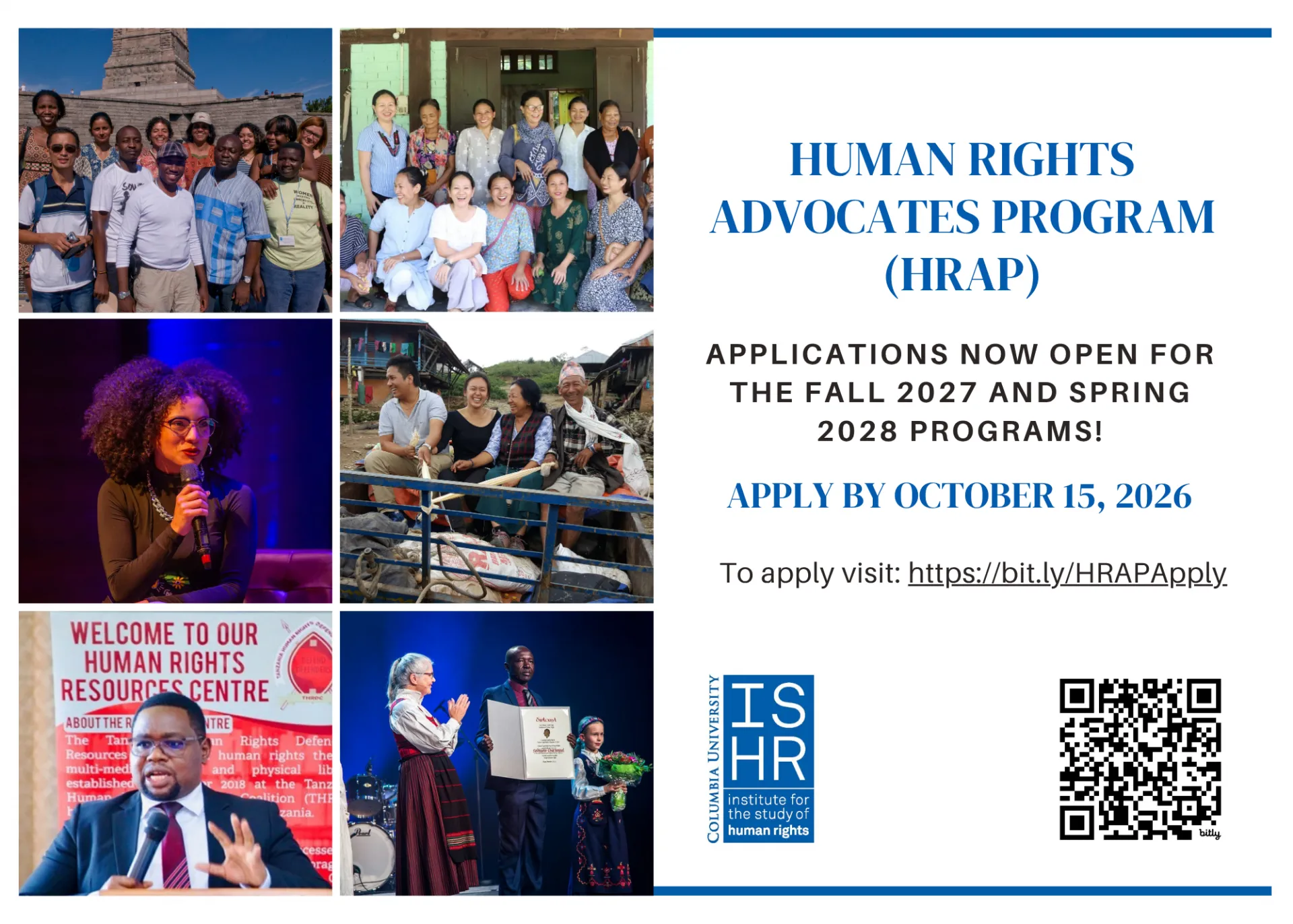
The Human Rights Advocates Program (HRAP) is now accepting applications to the Fall 2027 and Spring 2028 programs.
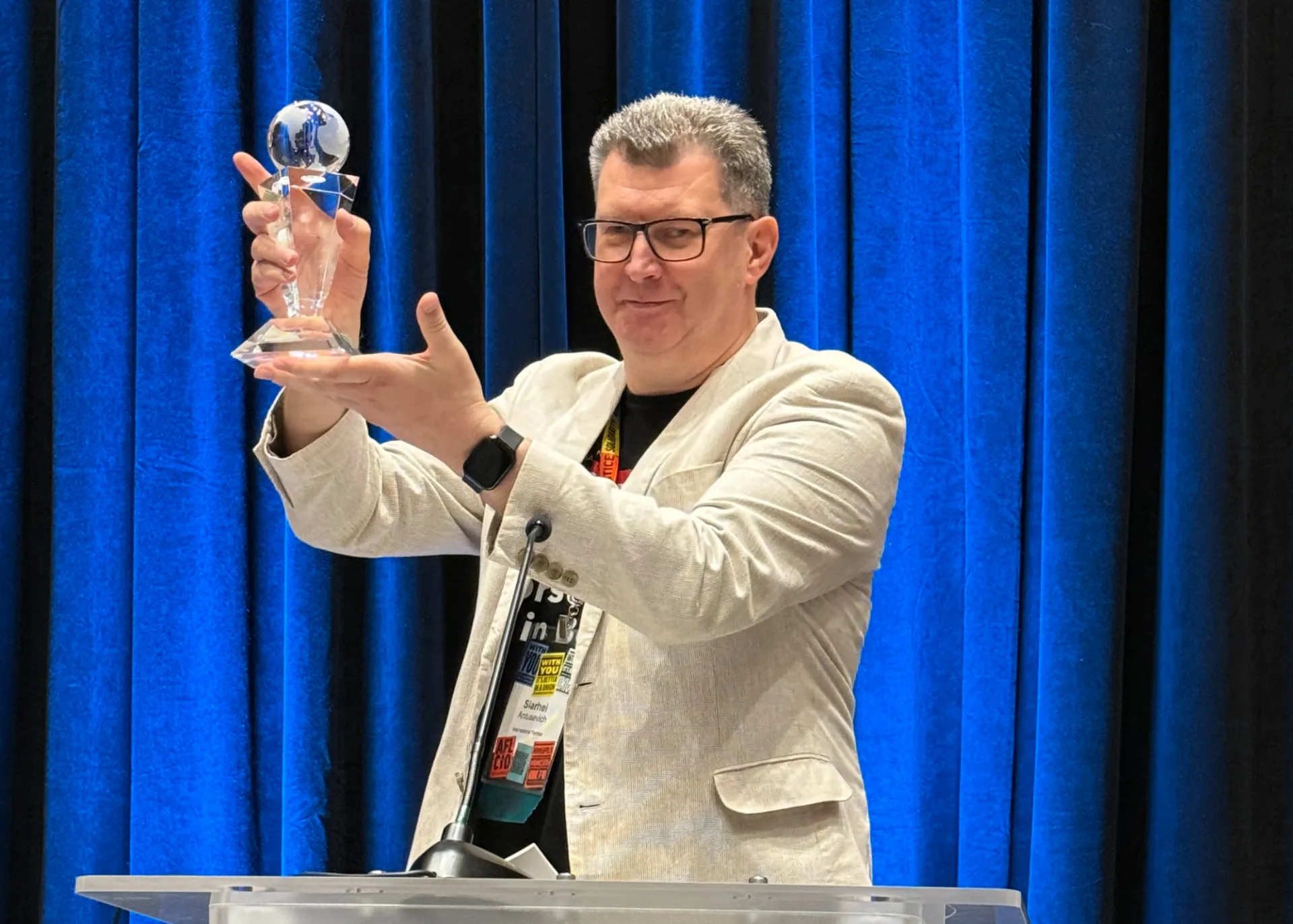
2010 Advocate Siarhei Antusevich accepted one of the most prestigious international trade union honors, the George Meany–Lane Kirkland Human Rights Award.
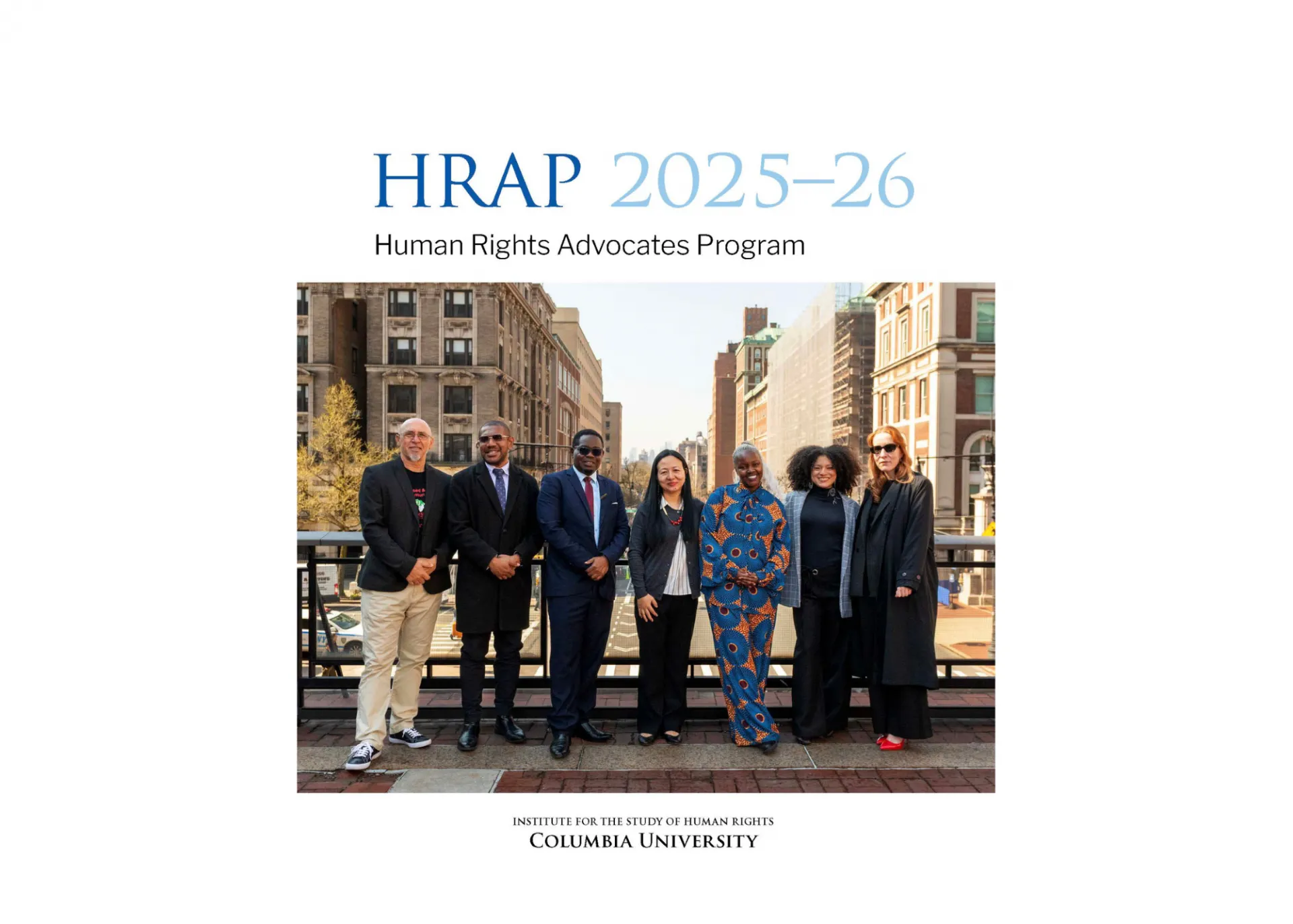
ISHR is excited to announce that the Human Rights Advocates Program's 2025-26 Annual Program Report is now available!
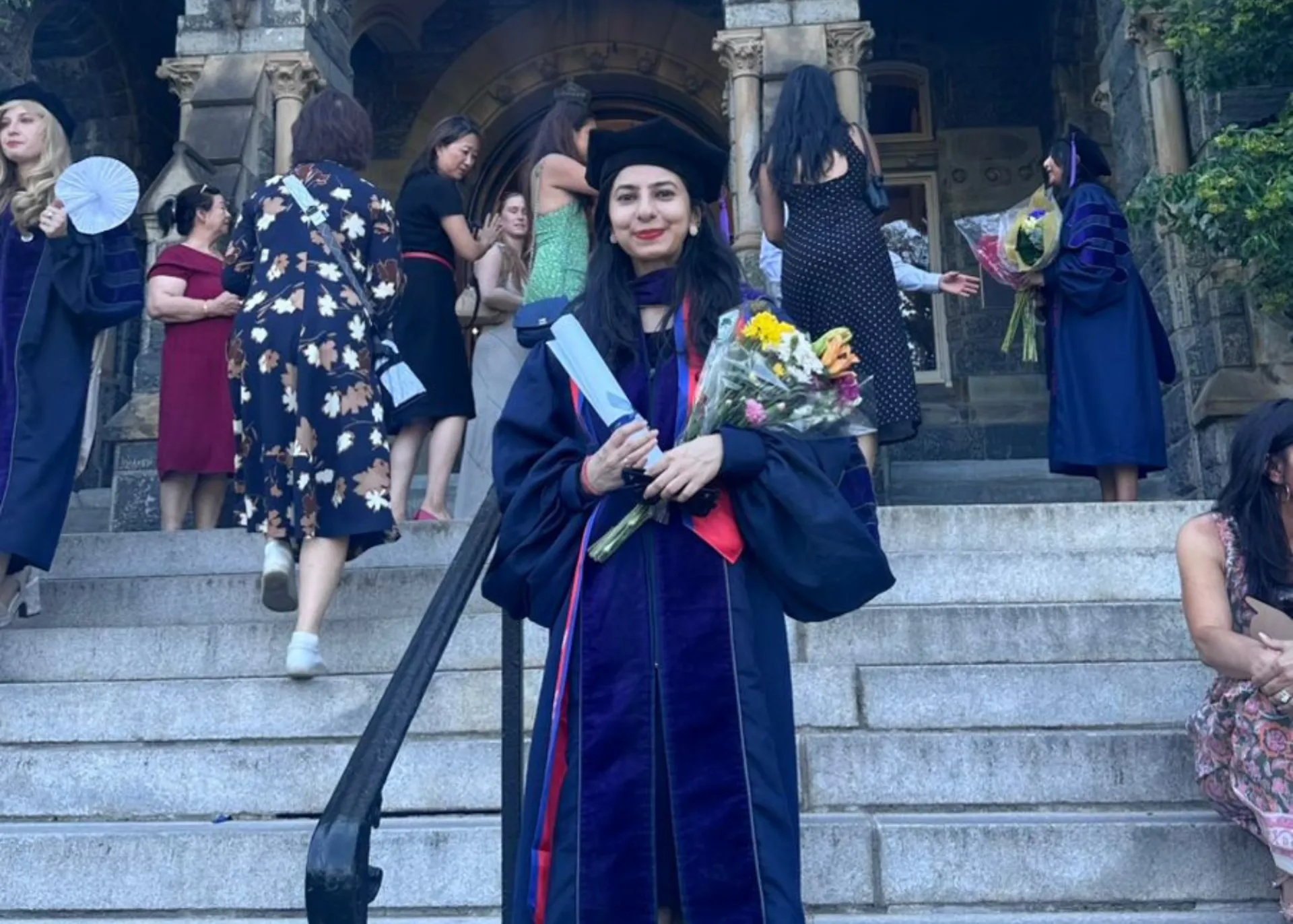
ISHR wishes to congratulate 2023-24 Advocate Amisha Adhikari who graduated from Georgetown Law in May of 2026.
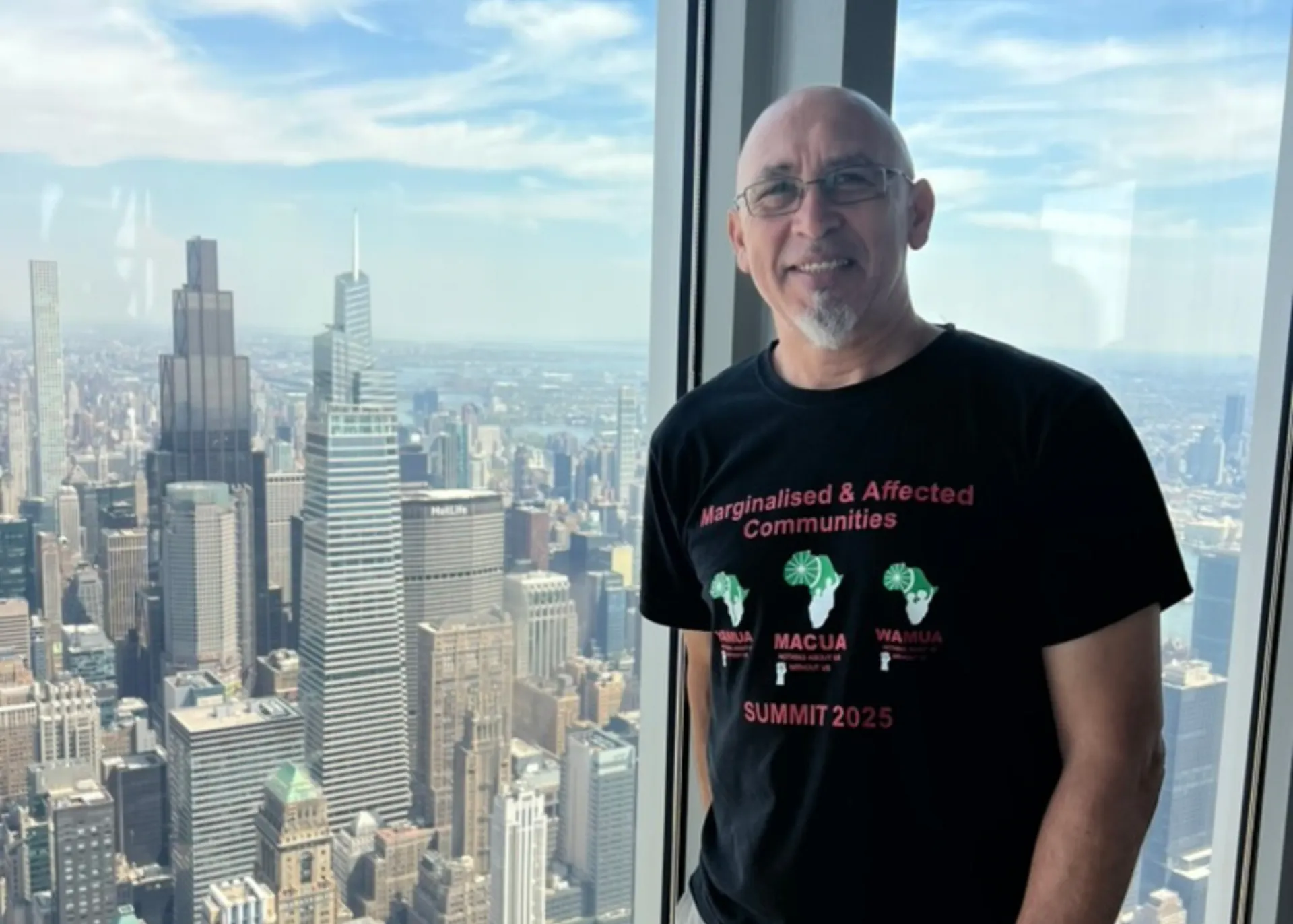
2025-26 Advocate Christopher Rutledge's opinion article on the defining contradictions of South Africa’s constitutional democracy has been published by Independent Online (IOL).