
Program on Peace-building and Human Rights (PBHR)
Overview
The Program on Peace-building and Human Rights is an applied research endeavor taking a comprehensive approach to peace-building by working around the world in conjunction with local partners. The Program seeks to shape policy by working closely with U.S. officials and international stakeholders at the UN and in foreign governments. The Program incorporates a communications strategy to raise awareness about policy initiatives through regular policy reports, articles, and media appearances. Director David L. Phillips brings 30 years of experience as a scholar, foundation executive, think-tank director, and as a U.S. and UN official.
Field activities are underway in:
- East Africa (South Sudan, Sudan/Darfur).
- Middle East (Iraq, Turkey, and Syria).
- Western Balkans and Southeast Europe (Albania, Greece, Kosovo, and North Macedonia).
- Southeast Asia (Burma, Indonesia, and Sri Lanka).
Following are examples of work by the Peace-building Program.
Political Transition
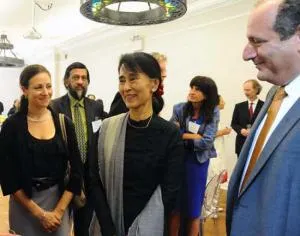
Assisted Aung San Suu Kyi and the National League for Democracy (NLD) by training Members of Parliament(MPs) and working with Justice for All (JFA) to develop a grass-roots curriculum on access to justice.
Implementation Review of Peace Agreements
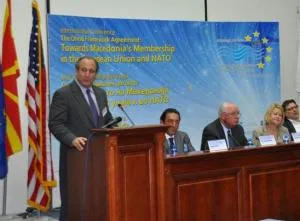
Organized a 10-Year Implementation Review of the Ohrid Framework Agreement, which ended Macedonia’s civil war between the ethnic Albanian National Liberation Army and the central government, with signatories of the agreement in Skopje and Tetovo. Organized a 10-Year Implementation Review of the Aceh Peace Agreement, which ended the civil war between the Free Aceh Movement and the Government of Indonesia in Banda Aceh. Plans are underway for an implementation of the Darfur Peace Agreement in Sudan.
Power-Sharing
Produced a seminal study, Institution-Building in Iraqi Kurdistan, offering a roadmap for managing the break-up of Iraq. Worked with parties in Syria on decentralization as an alternative to fragmentation.
Preventing Violent Extremism
Organized a series of seminars with the Islamic State University of Banda Aceh to develop a curriculum on “Social Harmony Teachings in the Qur’an and the Hadiths.” Held a series of seminars and a conference in Prishtina on “Preventing Violent Extremism through Education” with the Kosovar Centre for Security Studies on curriculum reform, capacity building, and policy development.
Dialogue and Reconciliation
Gender issues are mainstreamed in all Program activities. Brought Nobel Peace Prize recipient Leymah Gwobee to Burma for a meeting organized in conjunction with Aung San Suu Kyi on the role of women in mobilizing political change. We also brought Leymah to Sri Lanka for a meeting organized with the Association of War Affected Women (AWAW) on women and reconciliation.
Through humanitarian assistance, human rights, economic development, and political participation. The Program enhances preventive diplomacy by focusing on preventing violent extremism and peace-building strategies to break the cycle of violence.
Human Rights and Foreign Terrorist Activities in Artsakh (Nagorno-Karabakh)
The Program on Peacebuilding and Rights (PBHR) at Columbia University’s Institute for the Study of Human Rights (ISHR) offers documentation on “Human Rights and Foreign Terrorist Activities in Artsakh (Nagorno-Karabakh).” The project draws on primary sources documenting crimes against humanity and other atrocities committed by Azerbaijani armed forces and Turkish-backed Islamist fighters against Armenians. Click here to read more.
The Taliban Atrocities Project
The Taliban Atrocities Project provides information on abuses against former members of the Afghan Armed Forces and security services. It is also a compilation of information on crimes against Afghan civil society, such as artists, journalists, minorities, and especially women. Sources include primary reference materials collected in English, as well as Pashtun, Dari and Farsi, as well reports and media coverage. Click here to read more.