
Student Highlight: Rebeca Lopez-Anzures
Read our conversation with 2026 Research Award Winner Rebeca Lopez-Anzures
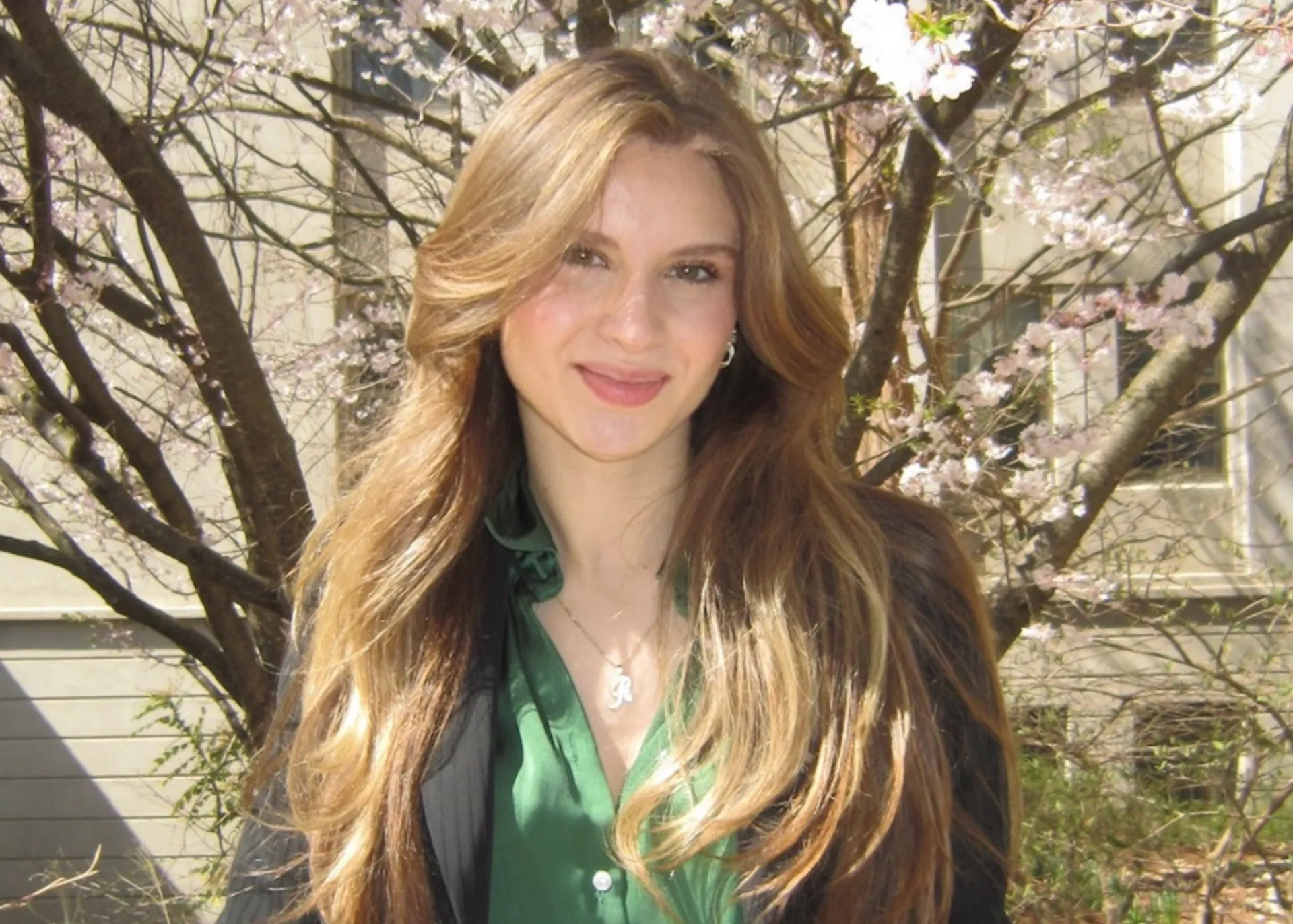
In which program are you enrolled and when is your expected graduation date?
Columbia College, May 2027
You are a recipient of ISHR’s Human Rights Research Award. What is your research focus? What drew you to this particular issue/set of issues?
My research assistant position requires me to qualitatively code transcripts from focus groups of different demographics residing in rural communities around Mexico City. The project is investigating the extent to which increased cartel presence has affected access to resources, feelings of security, trust in state authority, and political participation in peripheral communities.
I felt a unique connection to this project because a majority of my family still lives in Magdalena Contreras, a borough on the outskirts of Mexico City, and I've observed first-hand with each visit back how they've responded to those increasing sentiments of insecurity that accompany residing in the area.
What has been your favorite moment in the project so far?
I’ve most enjoyed moments where I can envision how the work I am doing fits within the larger context of the project. Qualitative coding can be isolating work, seeming mundane and inconsequential when faced with hundreds of pages worth of content. However, through monthly check-in meetings with Professor Moncada, a fellow undergraduate research assistant, and the Mexico-based research team, I am able to situate my work in the context of a larger mission and better understand exactly what to look for in the transcripts I’m coding and the the importance of this project itself.
What has been the most challenging part of the project?
The most challenging part of the program has been working with materials that are entirely in Spanish. Though I am fluent in Spanish and can articulate my own thoughts well—in both spoken and written formats—I was primarily raised in the United States and my exposure to a Spanish-speaking community was limited to my parents, who have over the years developed a Spanglish idiolect themselves. Therefore, reading and deciphering the transcribed vernacular of true residential Mexicans has been an unexpected but welcome challenge. I’ve found that through coding transcripts, I’ve gained a more holistic understanding of my native tongue and the ways it can be transformed through colloquialisms and euphemisms previously unknown to me to convey meaning in this imperative research context.
What is a must-read for a human rights student?
Open Veins of Latin America by Eduardo Galeano
Which class would you recommend to other students interested in the same issues as you?
Seeking Sanctuary in New York City with Professor Jennifer Trowbridge.
Can you describe any volunteer or extracurricular activities that you have been a part of during your time at Columbia and how this experience has impacted you?
The Seeking Sanctuary course offered through Barnard’s Human Rights program is based in engaged pedagogy, leaving the classroom to engage with asylum seekers directly through a partnership with Project Rousseau, a pro bono immigration legal rights organization in NYC. Through this course, I was able to work with an asylum seeker from Latin America, who fled his country partially due to the hegemonic and unavoidable presence of organized crime, and craft his official declaration to be used in his legal case for asylum in the United States.
What are your goals (professional or academic) after graduation? Where do you see yourself in 10 years?
I am currently applying to graduate school, with a focus on J.D/M.P.P programs, and hope to matriculate immediately after graduation. Ideally, I will find some work in public interest law, either criminal defense or immigration.
What is your favorite spot to study (or spend time) on campus?
Lehman Library
What is your hometown/area famous for?
Wellington, FL is known as the "winter equestrian capital of the world"