Reflection on Migration and Education in Morocco by an HRSMA Student
Kejsi Hodo, a Human Rights M.A. student, reflects on her participation in the intensive study abroad program led by Dr. Mary Mendenhall of Teachers College, Columbia University.
In the summer of 2026, Kejsi Hodo, a Human Rights M.A. student, joined "Education, Refugee & Migration Policies and Practices," an intensive study abroad program led by Dr. Mary Mendenhall of Teachers College, Columbia University. Kejsi was able to participate in this study abroad program with the support of the Miller Human Rights Award.
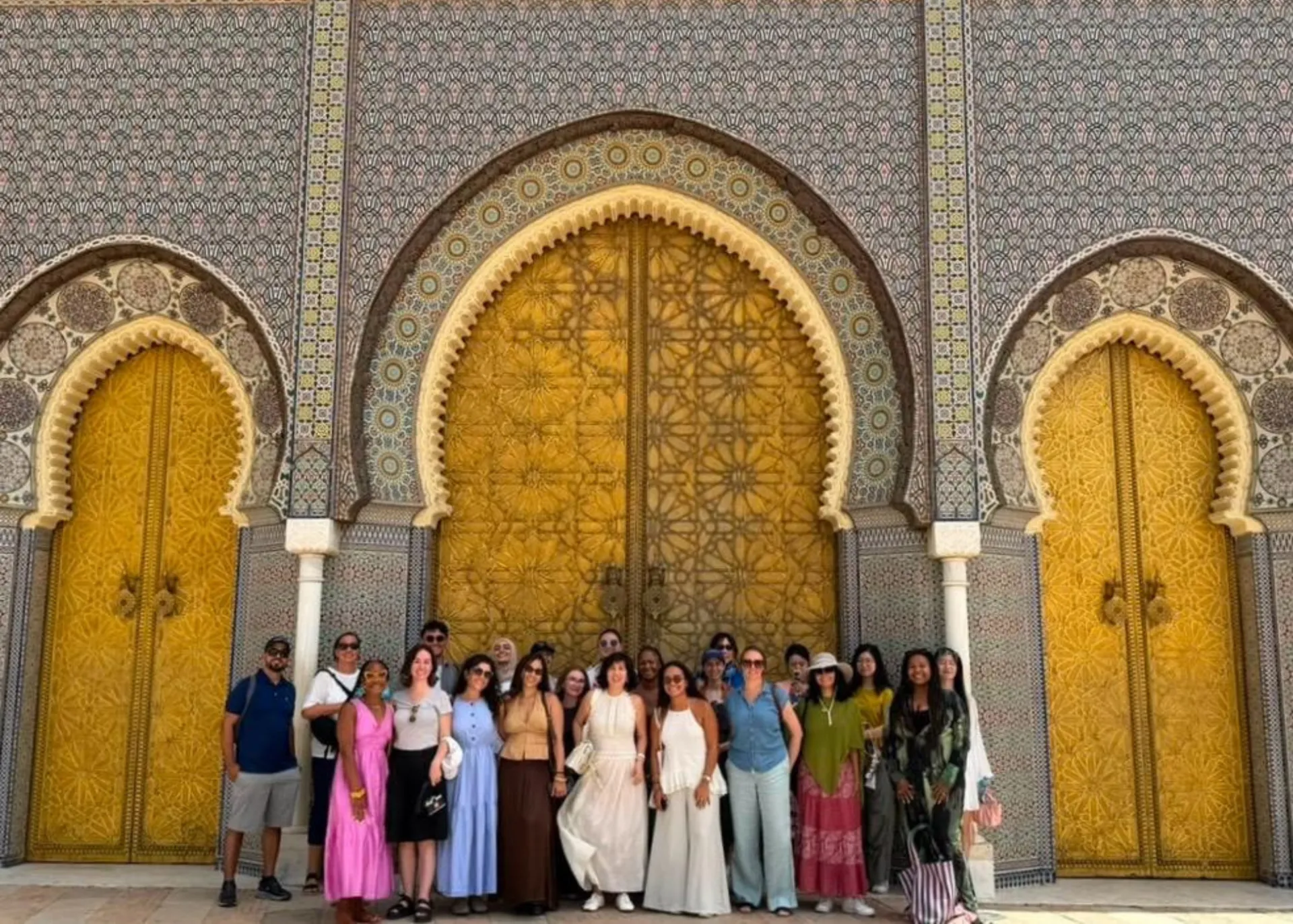
The study abroad cohort traveled for two weeks through Rabat, Fez, and Tangier, combining classes with site visits to organizations working directly with migrant and refugee communities, including UNHCR, IOM, the Fondation Orient-Occident, GADEM, the Darna Association, and the Nordic Center for Conflict Transformation.
Kejsi’s reflection is featured in full below:
“Where the Water Has No Lines: Reflections on Migration and Education in Morocco By Kejsi Hodo
This summer, with the support of the Miller Human Rights Award, I joined "Education, Refugee & Migration Policies and Practices," an intensive study abroad program designed and led by Dr. Mary Mendenhall of Teachers College, Columbia University. Over two weeks in July, our cohort traveled through Rabat, Fez, and Tangier, combining classes with site visits to organizations working directly with migrant and refugee communities, including UNHCR, IOM, the Fondation Orient-Occident, GADEM, the Darna Association, and the Nordic Center for Conflict Transformation. I came to the program as a master's student in Human Rights Studies, writing a thesis on the right to education in emergencies, and specifically on oral history as a pedagogy of resistance during genocide. I expected the program to deepen my research. I did not expect it to hand me a very personal lesson on borders.
Somewhere between Rabat and Tangier, our bus stopped at the point where the Atlantic meets the Mediterranean. There was nothing to see except water, vast and unbroken, running to the horizon in every direction. No lines. No checkpoints. Our planet does not contain any borders; we draw them, and then we let them decide who may live, work, study, and dream on which side of a line in the sea.
The water kept teaching that lesson. From the coast of Tangier, Spain is close enough to see on a clear day. Our guides and hosts mentioned, half-joking, that water sports are no longer permitted along that stretch of coast, because Moroccan youth had been known to attempt the crossing by swimming or by jet ski. The joke carried a weight that humor is often asked to carry. One week after I returned home, the news broke: thousands of young people attempting to cross through Ceuta and Melilla, and from Tangier itself. I had stood where they stood. I had seen how close Europe appears, and how far away it is made to remain.
That distance is not abstract to me. Albania and Greece are that close too. You could swim from Saranda to Corfu, or walk through the mountains, which is what my uncles attempted when they were younger than I am now. The same dream pushed my parents to migrate to Italy: the dream of Europe, of better jobs, better schools, a better life. It is the same dream that pushed those Moroccan youth into the water. I now live in a country whose founding document names "the pursuit of happiness" as an unalienable right. Much has changed since that sentence was written, and that pursuit has become a crime. Today, we hold the right to pursue happiness only if we hold a certain passport.
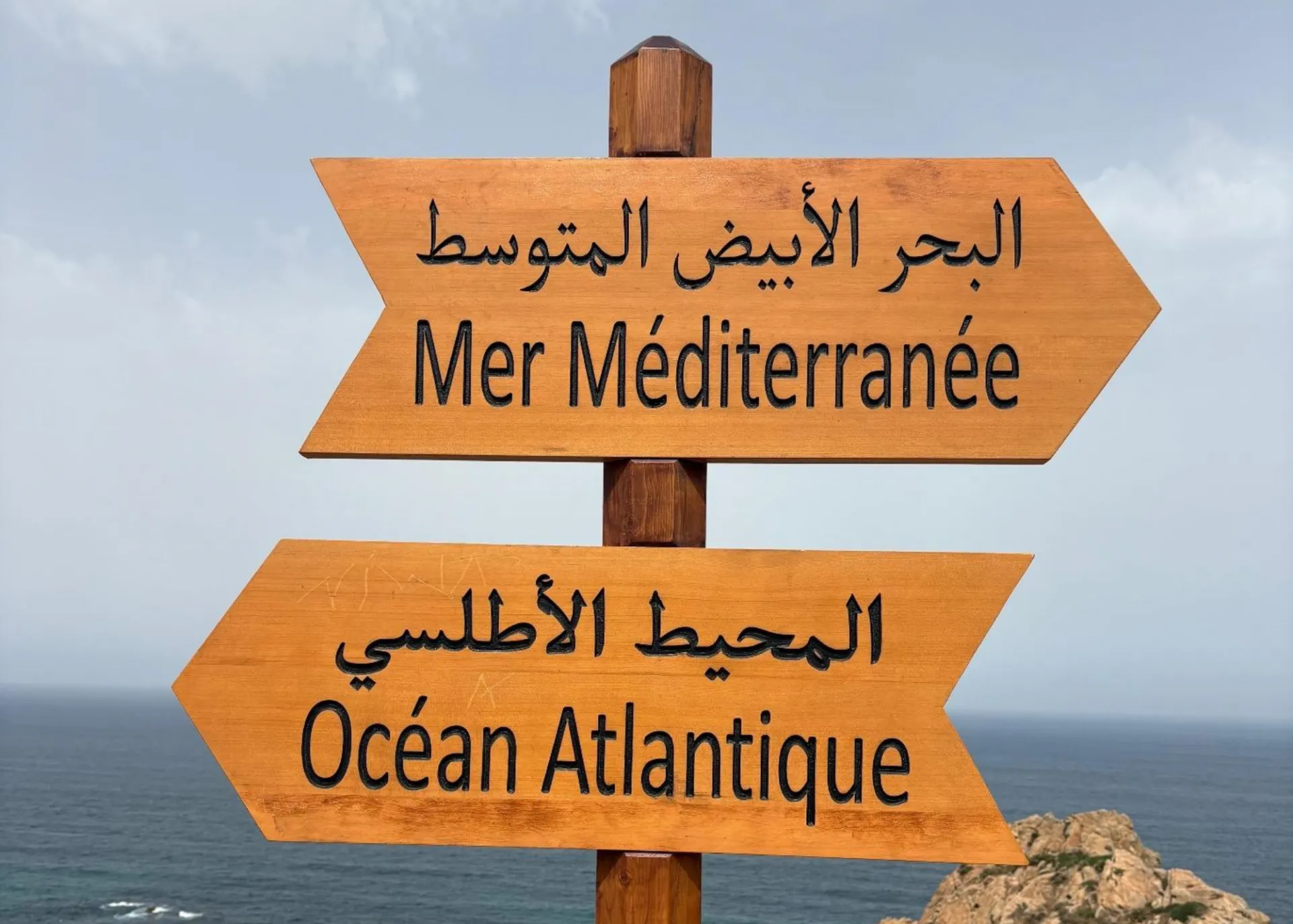
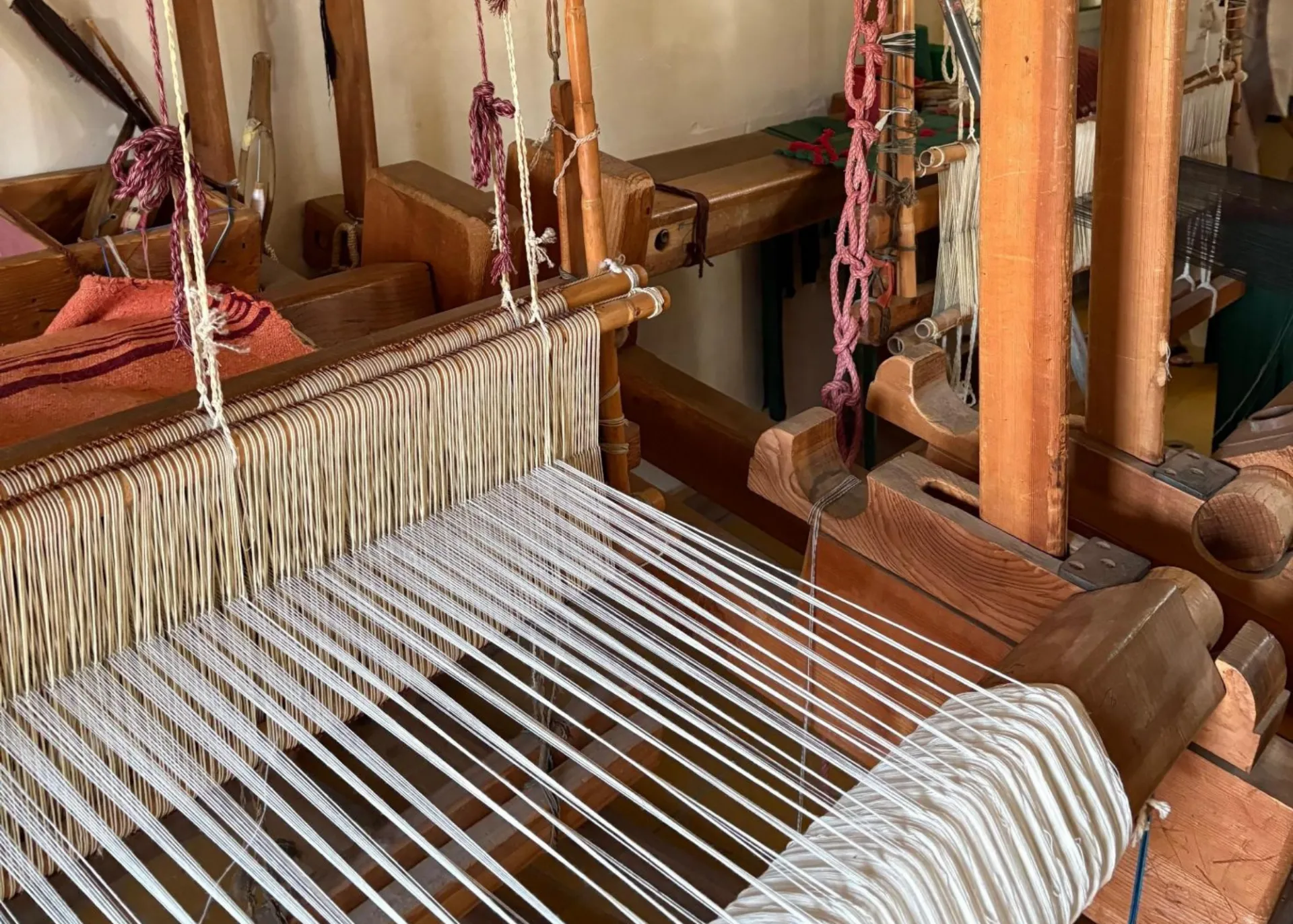
If the first half of this program was about the violence of borders, the second was about what people build anyway. At the Darna Association in Tangier, we sat with staff who work with migrants and refugees and with refugees who wanted to tell their own stories. What struck me most was that Darna's work is not organized only around emergency response but also around capacity building. There is a sewing school where women learn a trade, find employment, and sell the pieces they create. It is a small description for a large idea: that dignity is not something delivered to people in a crisis, but something they build, with the right support, on their own terms.
This is the thread I followed all summer. In every class and site visit, the same question surfaced in different forms: what does it mean to design education and protection programs for people whose futures others get to decide? From presentations on refugee education initiatives to conversations with grassroots advocates, I kept noticing the gap between policy on paper and policy in practice, and the ingenuity of the people closing it, often without recognition or adequate resources.
I left Morocco with a sharpened sense of why I do this work. The right to education is not only about classrooms; it is about whether a young person on one side of a line in the sea is permitted to imagine a future at all. I am grateful to the Miller Human Rights Award for making this experience possible. It was not just a trip. It was the moment my research stopped being something I read about and became something I had seen, heard, and stood beside.”