
2010 Advocate Susan Aryeetey Reflects on The Lasting Impact of HRAP
Read 2010 Advocate Susan Aryeetey's reflection on her time at ISHR in the Human Rights Advocate Program (HRAP)
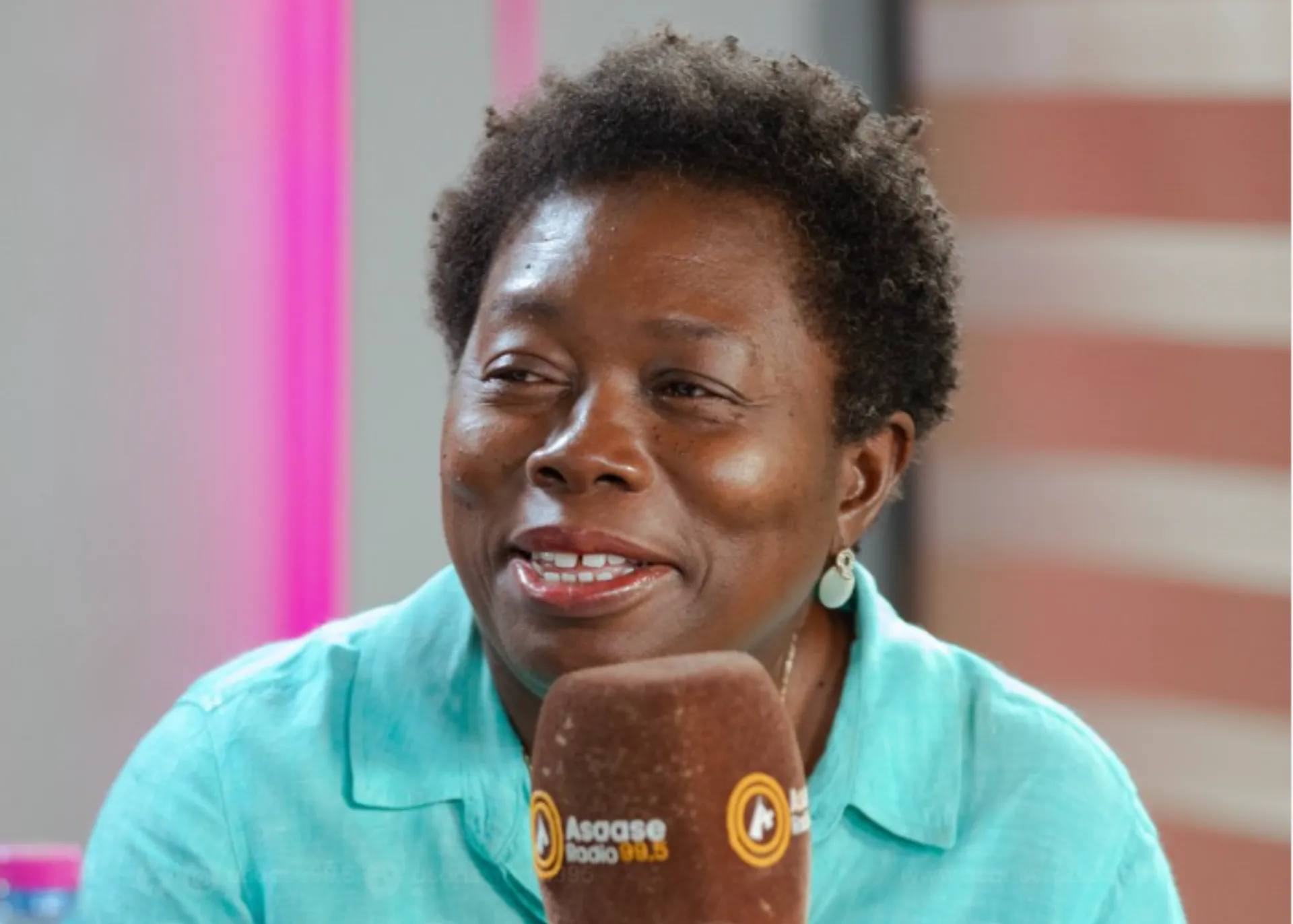
August 2010 marked a pivotal moment in my human rights journey. It was the beginning of an experience that would profoundly influence my professional trajectory, academic pursuits and, ultimately, my contribution to human rights, gender equality, safeguarding and peace building in Ghana.
I came across the opportunity to apply for the Human Rights Advocates Program (HRAP) at Columbia University (USA) quite unexpectedly. I was immediately drawn to the program and hopeful that I would be selected. I worked painstakingly on my application and was absolutely over the moon when I received the notification that I had been accepted. Little did I know then that those four months would become one of the defining experiences of my human rights career.
Learning from a Community of Human Rights Advocates
Meeting nine (9) other human rights advocates from different contexts was an enriching experience. Although we came from different countries, backgrounds and areas of work, there was a common thread that connected us: our commitment to protecting and promoting the rights of the different constituencies with whom we worked.
The diversity of perspectives within the cohort challenged and expanded my own understanding of human rights advocacy. HRAP was not simply about acquiring knowledge in a classroom. It was an immersive experience that combined academic learning, practical engagement, dialogue and exposure to non-profit organizations and approaches that were pushing the boundaries of human rights work.
From auditing classes and participating in dialogues to travelling to Washington, D.C., to engage with like-minded donors, every experience added another layer to my understanding of how change happens.
One particularly memorable experience was volunteering with a crisis mapping initiative following the devastating floods in Pakistan. It demonstrated to me that human rights advocacy could harness technology, information and collective action to respond to crises in ways that were innovative, immediate and impactful.
I returned to Ghana after four months of intensive academic and practical work overflowing with ideas.
Learning To Innovate
One of the most significant influences on my work was the exposure I received through the New Media class. At the time, the possibilities presented by mobile technology for expanding access to justice were particularly exciting. I began thinking about how these approaches could be adapted to the Ghanaian context, particularly for women and girls with disabilities who often faced multiple barriers to accessing justice and essential services.
These ideas subsequently informed project development around the use of SMS and mobile phone technology to expand access to legal aid. The technology provided opportunities to facilitate communication, obtain feedback and strengthen linkages between women seeking justice and the institutions responsible for responding to their concerns.
My HRAP experience also deepened my understanding of disability rights. One of my colleagues in the program was a disability rights advocate, and our conversations during the four-month program and beyond significantly broadened my understanding of the experiences of persons with disabilities and the gaps in institutional responses. This was particularly relevant to my work in Ghana, where I encountered weaknesses in the responses of state institutions, including law enforcement agencies, to the needs of persons with disabilities and survivors of violence. The experience encouraged me to think beyond conventional approaches to human rights programming and to ask a critical question:
How can we use innovation, technology and partnerships to make rights real for people who are often excluded from existing systems?
The Power of Media and Storytelling
My exposure to organizations such as WITNESS and StoryCorps, together with my participation in the New Media and Human Rights in Sub-Saharan Africa classes, also transformed the way I thought about communication and advocacy.
I learned that human rights advocacy is not only about laws, policies and institutions. It is also about people, their experiences and their stories.
The use of documentaries and other forms of storytelling to enhance learning and understanding among participants in human rights education inspired me to incorporate similar approaches into my own work. In my human rights training activities, I began using podcasts and other accessible media to communicate the relevance of international human rights standards to different audiences. These lessons have remained relevant throughout my career.
Today, storytelling is increasingly recognized as an important component of fundraising and resource mobilization. Funders want to understand not only what a programme intends to achieve, but also whose lives are changing and why that change matters. The lessons I gained from my engagement with WITNESS and StoryCorps prepared me early to appreciate the power of compelling, ethical and impactful storytelling.
HRAP and My Academic Journey
HRAP also became an important stepping stone in my academic development.
Two years after completing the program, I gained admission to the University of Oxford (UK) to pursue a Master's degree in International Human Rights Law. My HRAP experience had strengthened my intellectual curiosity and given me the confidence to pursue higher academic training in international human rights law. The combination of HRAP and my subsequent studies at Oxford has been invaluable to my professional development. The intellectual discourse, exposure to different perspectives and practical orientation of HRAP provided a foundation upon which my Oxford studies built.
Today, my understanding of international human rights law is an invaluable asset in my consulting career. After transitioning from FIDA Ghana into consultancy, I have been able to apply this knowledge to assignments involving both state and non-state actors. My work increasingly requires me to analyze programs, policies and institutional practices through a human rights and gender lens. Recommendations from some of my consultancy assignments have contributed to strengthening the human rights architecture of client institutions and improving protection measures for targeted groups.
From Advocacy to Thought Leadership
When I wrote my HRAP application in 2009, I recall stating that I believed HRAP would equip me to contribute towards enhancing and strengthening the human rights discourse in Ghana.
Looking back, that aspiration has become a significant part of my professional journey.
I have participated in numerous radio, television and online discussions as a thought leader on women's rights and broader human rights issues. These conversations have included difficult and complex issues such as allegations of witchcraft against women, gender-based violence, access to justice and the protection of vulnerable groups. HRAP gave me not only knowledge, but also the confidence to participate in these spaces and engage in the difficult conversations that are necessary to advance human rights.
My career has evolved considerably since 2010. While my early work was strongly centered on human rights advocacy and women's access to justice, my current work as a Gender Consultant specializing in safeguarding and peace building has expanded the application of those foundational principles.
The connection, however, remains clear.
Safeguarding is fundamentally about protecting people from harm, abuse, exploitation and violations of their rights, whilst Gender equality requires us to examine how power, discrimination and social norms affect different groups. At the same time Peacebuilding requires us to understand exclusion, inequality, conflict and the protection of rights as interconnected issues.
The human rights framework I developed through HRAP continues to provide an important foundation for this work. It enables me to approach safeguarding not merely as a compliance requirement, but as a rights-based responsibility to protect dignity, equality, participation and accountability.
Similarly, my peacebuilding work is informed by the understanding that sustainable peace cannot be separated from justice, inclusion and respect for human rights.
In May 2025, I was sworn into office as an eminent member of the National Peace Council of Ghana. This responsibility has provided yet another opportunity to apply the principles and knowledge that have shaped my professional journey, from human rights advocacy and gender equality to safeguarding and peacebuilding.
Sixteen (16) years after that life-changing application, I can see more clearly how the different pieces of my professional journey connect.
HRAP gave me a foundation in international human rights advocacy. It exposed me to new ways of thinking, introduced me to innovative approaches to communication and technology, strengthened my understanding of disability rights, and expanded my appreciation of the power of collaboration and storytelling. It also opened the door to further academic growth, ultimately contributing to my decision and preparation to pursue a Master's degree in International Human Rights Law at Oxford.
Most importantly, however, HRAP taught me to think about human rights not merely as a body of laws and principles, but as a framework for transforming people's lives.
That lesson continues to guide me.
Whether I am advising a state institution, supporting a civil society organization, designing a safeguarding framework, contributing to gender equality initiatives, participating in public discourse or serving on the National Peace Council, I continue to draw on the foundation established during those four transformative months at Columbia University.
When I look back at the young advocate who painstakingly prepared that application in August 2009 I am grateful that she took the chance.
The opportunity that I had hoped would strengthen my capacity as a human rights advocate became much more than a training program. It became a launching pad for a career, a pathway to further academic pursuit, and a foundation for a lifelong commitment to human rights, justice, equality, safeguarding and peace.
And perhaps the greatest measure of HRAP's impact is not what I learned in those four months, but what I have continued to do with that knowledge over the sixteen years that followed.