
Reflection by 1999 HRAP Alum Taima Aljayoush
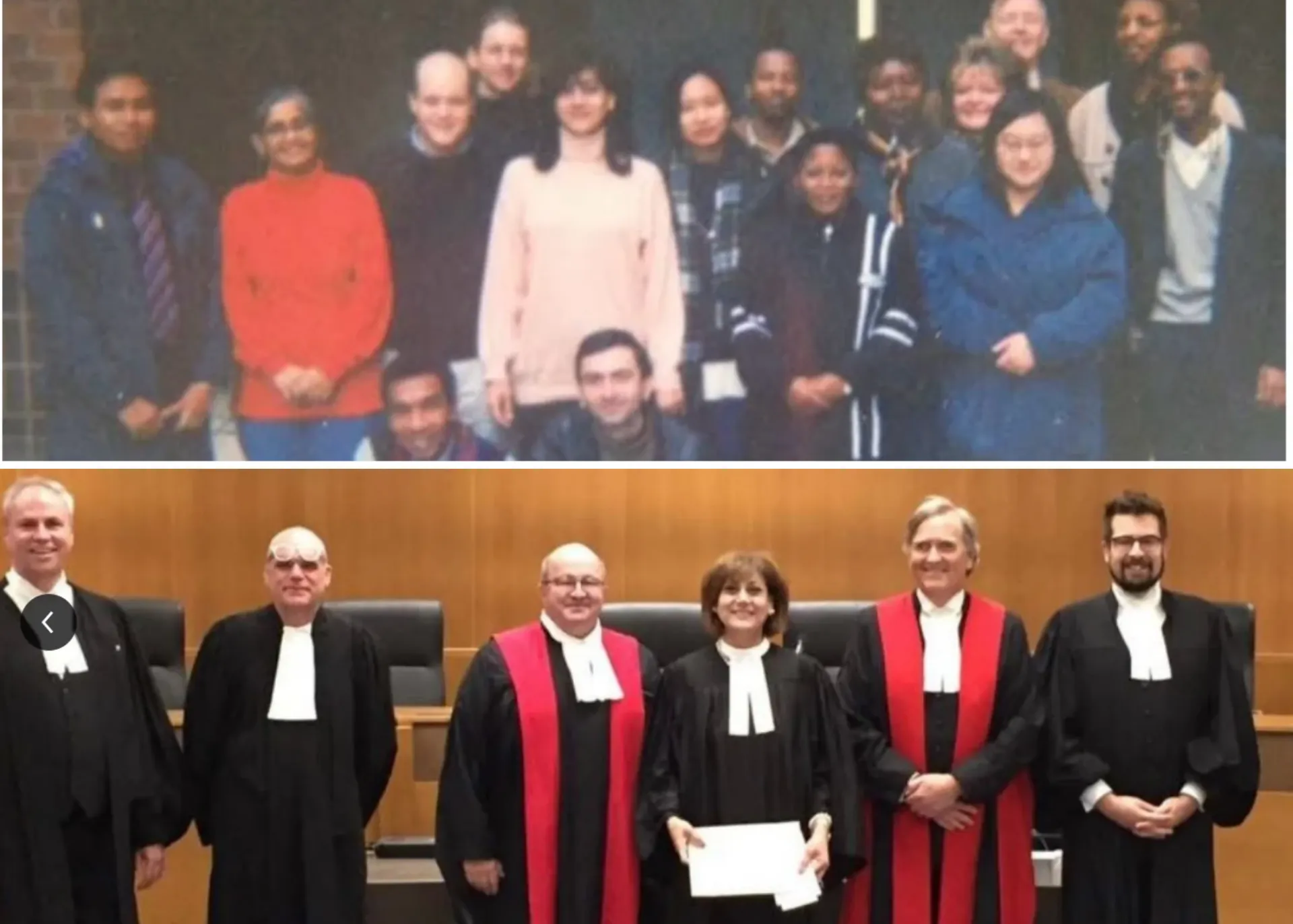
A few days ago, the HRAP team at Columbia University invited me, as an alumna, to interview an applicant for the 2027 program. I accepted with great pleasure.At the end of the interview, the applicant asked me a question that took me back to 1999: “What did you do when you returned to Damascus?” That question brought back a journey in which HRAP played a defining role.
When I returned to Damascus, I carried much more than an academic degree. I carried knowledge, practical skills, and a deeper understanding of human rights. I also carried something equally important: the reassurance that, if my work put me at risk of arrest or persecution, there was a team in New York that understood my circumstances and would stand by me if I reached out.
I came from a family that had opposed the Assad regime and refused to endorse its practices and policies. At a time when freedom of association and expression were taboos, my parents’ library had introduced me to a different world, one grounded in human dignity, democracy, and respect for rights. My early exposure to international conventions and, for the first time, documents on violence against women through the Swedish Embassy in Damascus further shaped my path.
In 1999, I joined Columbia University to study human rights. HRAP gave me not only essential knowledge and professional skills, but also the understanding and personal support I needed as a woman returning to work under an authoritarian regime and within a society where deeply rooted traditions often denied women equality and respect.
The years that followed brought many investigations, many threats of imprisonment, verbal and physical attacks, harassment of my family, a travel ban for five years, and attempts to isolate me professionally and socially. Through it all, I knew that I was not entirely alone. Somewhere in New York, a team knew my story and would be there if I needed help.
That knowledge made an enormous difference.
Looking back, HRAP gave me far more than an education. It gave me confidence, practical tools, solidarity, and the reassurance that human rights work does not have to be a solitary journey.
Today, being invited to interview a new generation of applicants feels like a meaningful opportunity to give something back. My gratitude to HRAP and its team remains as profound as ever. Thank you for equipping me, believing in me, and reminding me that even when working in the most difficult circumstances, we do not have to stand alone. It is an honour to remain part of the HRAP community.